

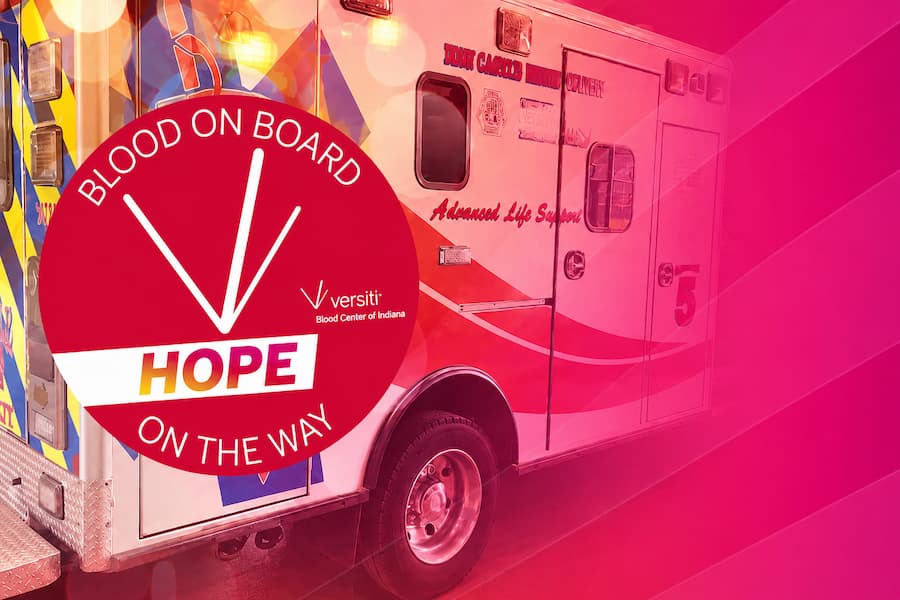
Blood on board. Hope on the way. Help hope arrive before the hospital.
Blood transfusions don't always begin at the hospital. In some communities, trained EMS professionals can carry donated blood and begin transfusion at the scene of an emergency.
You give blood.
Your donation becomes part of the blood supply patients throughout the community depend on.
Blood goes where patients need it.
That may include hospitals and, in participating communities, EMS teams equipped to carry blood on their ambulance or helicopter.
Care can begin sooner.
When a patient is experiencing severe blood loss, trained EMS professionals may be able to begin transfusion before reaching the hospital.
Prehospital blood refers to donated blood that participating EMS teams carry on ambulances or helicopters, allowing trained professionals to provide transfusions before a patient reaches the hospital.
For patients experiencing severe blood loss, every minute matters. Starting a blood transfusion before a patient reaches the hospital can improve their chances of survival by getting lifesaving blood to them sooner.
Yes. In communities with prehospital blood programs, donated blood may be supplied to participating EMS agencies for use in the field. Whether your individual donation goes to an EMS program or a hospital, every donation helps strengthen the blood supply patients depend on.
Versiti works with participating EMS agencies and their healthcare partners to help make blood available for prehospital transfusion. This includes supplying blood products and supporting the coordination needed to safely and responsibly extend blood beyond the hospital.
Prehospital transfusion may be used for patients experiencing severe blood loss from traumatic injuries or other life-threatening emergencies. EMS protocols and medical oversight determine when transfusion is appropriate.
Prehospital blood doesn't create a new supply of blood—it depends on the same generous donors who support patients every day. A strong, reliable blood supply helps ensure blood can be available wherever patients need it, including, in participating communities, before they reach the hospital.
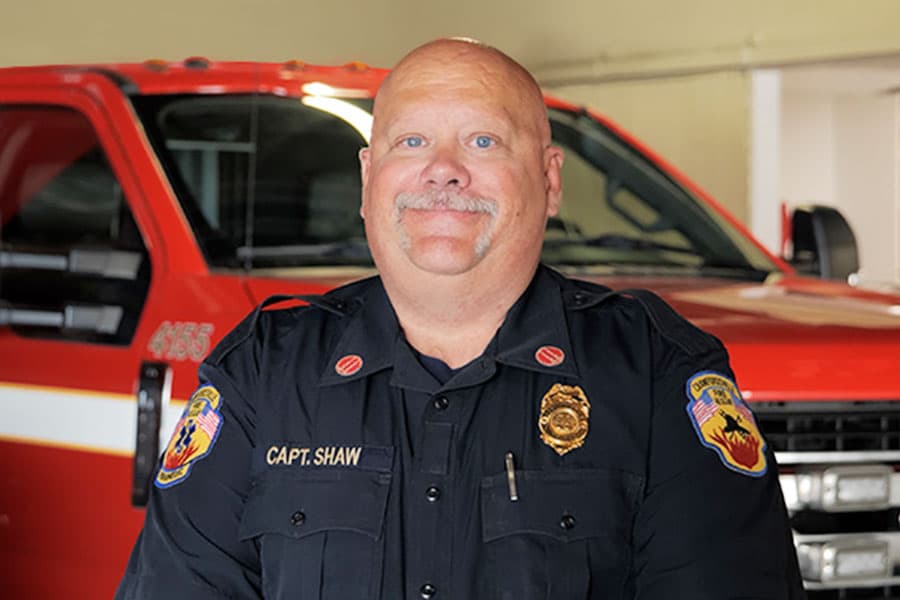
Bryan has seen what happens when blood arrives sooner.
Captain Bryan Shaw and Crawfordsville Fire Department began carrying whole blood in their ambulances in 2024. Since then, his team has used blood in the field to care for patients experiencing life-threatening bleeding—bringing transfusion closer to the moment it’s needed.
Every unit starts with someone choosing to donate.
Bryan Shaw