
Versiti - Types of Blood Donations | Versiti Bloodcenters
Explore our service lines

DonationTypes

Choose a donation type that fits your time and helps patients in your community.

Donation Types and Who They Help

There are a few different ways to donate, and each one supports patients in a different way. Your blood type can play an important role in choosing the donation type that can help patients most, especially when certain blood products are in higher demand.

When you give with Versiti, you are helping patients close to home. Your donation stays in the communities we serve, supporting local hospitals and the neighbors who count on transfusions every day

What Should I Donate?

Your blood type plays a big part in deciding what donation is the best fit for you. Choose your blood type from the options below to see the best fits.

A Blood Type

A+ Blood Donors

Male
Platelet, Whole Blood, Plasma, and Ro/Rare

Female
Platelet and Whole Blood

A- Blood Donors

Male
Platelet, Double Red, Whole Blood, and Plasma

Female
Platelet, Double Red, and Whole Blood

B Blood Type

Type B blood donor recommendations are the same for men and women.

B+ Blood Donors

Ro/Rare, Platelet, and Whole Blood

B- Blood Donors

Platelet, Double Red, and Whole Blood

AB Blood Type

AB+ Blood Donors

Male
Platelet, Plasma, and Whole Blood

Female
Platelet

AB- Blood Donors

Male
Platelet, Plasma, and Whole Blood

Female
Platelet and Whole Blood

O Blood Type

O+ Blood Donors

Male
Ro/Rare, Low Titer Whole Blood, Platelet, Double Red, and Whole Blood

Female
Ro/Rare, Double Red, Whole Blood, and Platelet

O- Blood Donors

Type O- blood donor recommendations are the same for men and women.

Neo Whole Blood, Double Red, Whole Blood, and Platelet

US Donation Population in comparison with those having Ro blood

Whole Blood Donation

Whole blood is the most common way to give and a great option for many donors. Plan about an hour for your appointment, and you can donate whole blood every 8 weeks.

Who it helps: Patients who need transfusions for many reasons, including accidents, surgery, and anemia.

Rare and Uncommon Blood Types
US Donation Population in comparison with those having Ro blood

Double Red Cells Donation

Double red cells focuses on red blood cells, which carry oxygen through the body. This option can make a big difference in one visit, and you can donate double red cells every 16 weeks.

Who it helps: Patients injured in accidents, people having surgery, and people living with anemia.

US Donation Population in comparison with those having Ro blood

Platelet Donation

Platelet donation focuses on platelets, which help your blood clot. You can donate platelets every 2 weeks, helping support a steady supply for patients when the need is ongoing.

Who it helps: Patients receiving cancer treatment, trauma patients, and families who need extra support during childbirth and newborn care.

US Donation Population in comparison with those having Ro blood

Plasma Donation

Plasma is the liquid part of blood that supports important body functions. Plasma donations can be made every 4 weeks, helping maintain a steady supply for patients.

Who it helps: Patients experiencing trauma or shock, and people who need plasma-based therapies as part of their care.

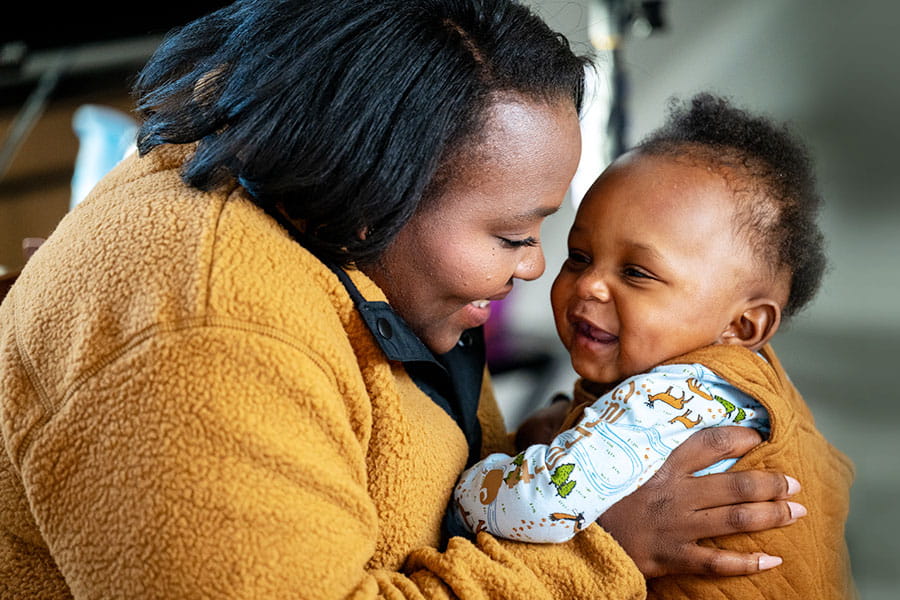
Divinity, holding her smiling son.

Divinity's Story

This is living proof—two lives, mine and my son’s, were saved from the blood that was donated. It all makes a difference.

Divinity Crittendon
Blood Donation Recipient