
Explore our service lines

Articles

More Ways to Help Patients: How Versiti Is Expanding Platelet Production

October 22, 2026
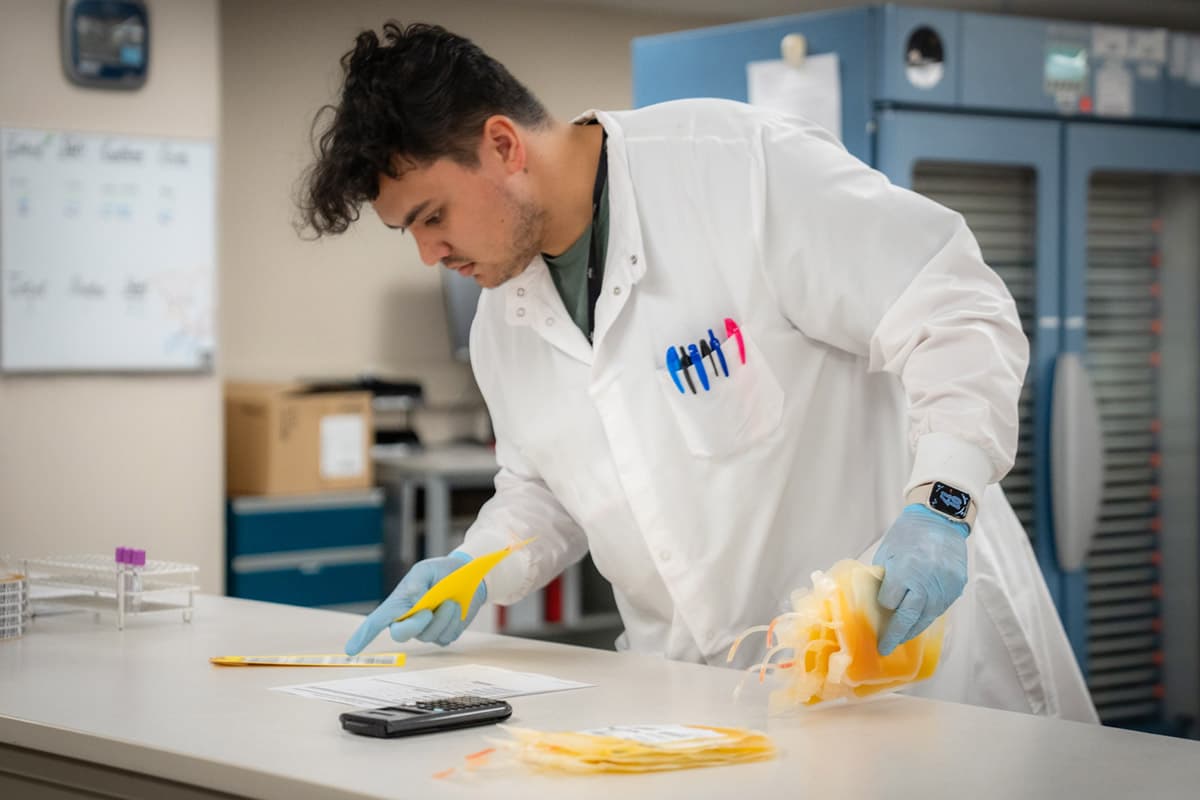
By adding automated whole blood processing in Wisconsin, Versiti is building on its established platelet collection capabilities to support hospitals and patients.

When a patient undergoing cancer treatment, surgery or emergency care needs platelets, having them available at the right time can make a critical difference. 

Maintaining a reliable platelet supply requires careful planning and coordination. Platelets have a short shelf life, and hospitals depend on blood centers to continually collect, prepare and distribute them for patients who need transfusions. 

At Versiti, that responsibility is supported by the generosity of donors and the expertise of teams working across blood collection, production, testing and distribution. 

It's also what drives Versiti to continually explore new ways to strengthen the blood supply as hospital needs evolve. 

Versiti is now building on its established platelet collection capabilities with the Reveos™ Automated Blood Processing System from Terumo Blood and Cell Technologies. The technology expands Versiti's ability to produce platelets from whole blood donations, adding another source of platelets to complement its existing collection programs. 

Versiti is the 10th U.S. blood center to adopt the FDA-cleared technology. Its implementation in Wisconsin marks another step in the organization's ongoing work to support a flexible, resilient platelet supply. 

Building on a strong foundation of platelet collection

Platelets are small blood components that help the body form clots and stop bleeding. They play an essential role in treating patients whose bodies cannot produce enough platelets or who need additional support during medical care. 

Versiti has long relied on the generosity of platelet donors and the expertise of its blood collection and production teams to support hospitals and patients. 

Apheresis platelet donations remain a vital part of that work. During an apheresis donation, specialized equipment collects platelets while returning other blood components to the donor. 

Now, Versiti is building on that foundation by adding another way to produce platelets. 

A whole blood donation contains several components that can be separated and prepared for different medical needs. With Reveos, Versiti can recover platelets from whole blood donations through automated processing, creating an additional pathway for platelet production. 

The goal isn't to replace apheresis donations. It's to complement them, giving Versiti greater flexibility to respond to evolving hospital needs. 

“For patients undergoing cancer treatment, surgery or emergency care, having platelets available when needed can make a critical difference,” said Karen Smith, vice president of blood production and distribution at Versiti. “Reveos helps us make the most of every blood donation by expanding our ability to produce platelets more efficiently and meet hospital demand. It’s an investment in getting patients the blood products they need when they need them.” 

Lab member inspecting platelet units.

A Versiti team member prepares blood components for processing, helping ensure donated blood is carefully handled and prepared to support patients in need.

What happens after a whole blood donation?

Most donors are familiar with the collection process. They give blood, and that donation begins its journey toward helping patients. 

What happens next is less visible, but just as important. 

Before blood products can reach hospitals, whole blood donations are processed into components used for patient care, including red blood cells and plasma. With the addition of Reveos, Versiti can also produce platelets from whole blood donations. 

Blood processing has long depended on specialized equipment, carefully established procedures and the expertise of trained professionals. 

Reveos adds another capability to that work. 

Cleared by the U.S. Food and Drug Administration in 2023, the system separates whole blood into red blood cells, plasma and platelets in a single automated centrifugation cycle. 

By automating key processing steps, the system helps standardize component preparation, reduce hands-on work and support efficient production. 

For Versiti's blood production teams, it creates an additional way to prepare platelets from whole blood donations while building on established quality practices and operational expertise. 

For hospital partners, it adds flexibility to the blood supply system they rely on to care for patients. 

This video is hosted by Vimeo. Please and accept Marketing cookies to watch it.

The science behind a more flexible platelet supply

Platelets collected from whole blood have a long history in transfusion medicine, with clinical use dating back to the early 20th century and more widespread adoption beginning in the 1970s. 

Reveos provides an automated way to separate whole blood into components, including platelets, helping Versiti expand its platelet production capabilities. 

The technology complements Versiti's existing apheresis platelet collection program. Together, these approaches give Versiti additional flexibility in how it prepares platelet products for hospitals. 

“Being able to offer both whole blood derived and apheresis platelets really assures that we have the most robust platelet supply available for our patients,” said Carlos H. Villa, MD, PhD, clinical investigator in transfusion medicine at Versiti Blood Research Institute. 

Introducing another source of platelets involves more than adding equipment. Blood centers must carefully coordinate the preparation and distribution of blood products to support hospital needs. 

For Versiti, the addition of automated whole blood processing reflects an ongoing commitment to efficient operations and responsible stewardship of every donation. 

Building on today's strengths to meet tomorrow's needs

A resilient blood supply draws on multiple collection methods, technologies and the expertise of dedicated teams. 

At Versiti, automated whole blood processing adds to that foundation. 

Whole blood donors and platelet donors each play an important role. So do the teams that collect, process, test and distribute blood products, and the hospital partners who rely on them. 

Reveos gives Versiti another way to prepare platelets from whole blood donations, complementing established collection methods and creating additional flexibility as hospital needs evolve. 

For patients, the technology itself may never be visible. 

What matters is the continued work behind the scenes to help ensure hospitals have the blood products patients need, when they need them. 

By building on the generosity of donors, the expertise of its teams and a commitment to continuous improvement, Versiti is preparing for the future of patient care — one donation, one advancement and one patient at a time. 

Learn more about donating blood at Versiti and how your generosity helps support patients in our communities. 


VBRI Associate Investigator Brian Branchford, MD, Receives Award to Advance Pediatric Blood Clot Research

Brian Branchford, MD, Medical Director at Versiti Medical Sciences Institute and Associate Investigator at Versiti Blood Research Institute, has received a 2026 HTRS Mid-Career Research Award to study how inflammation and platelet activity contribute to blood clot risk in children.