Hematopoiesis &
Immunology
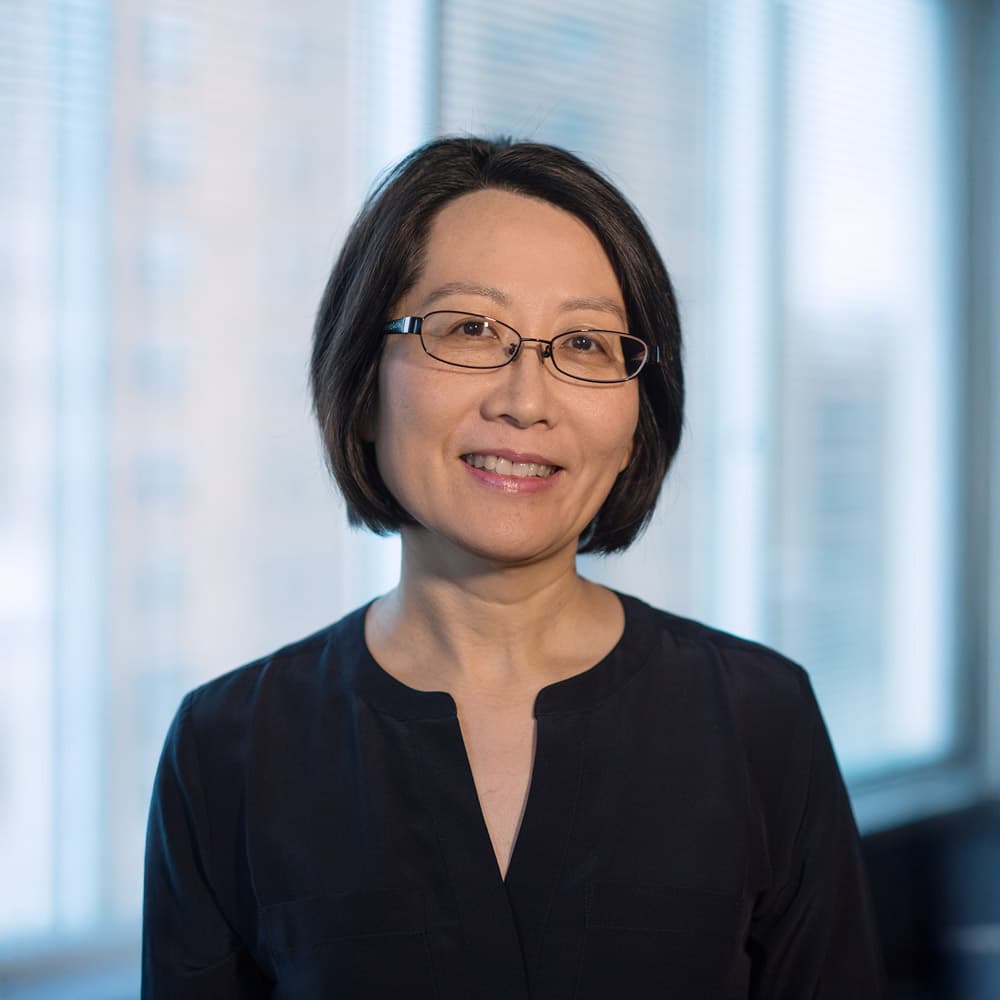
"Blood and immune cell development and function are life-or-death processes that happen every second. Our program investigates these fundamental pathways at the molecular level. Understanding these mechanisms helps us design therapies that restore balance in cancer, immune disorders, and bleeding conditions caused by immune attacks."
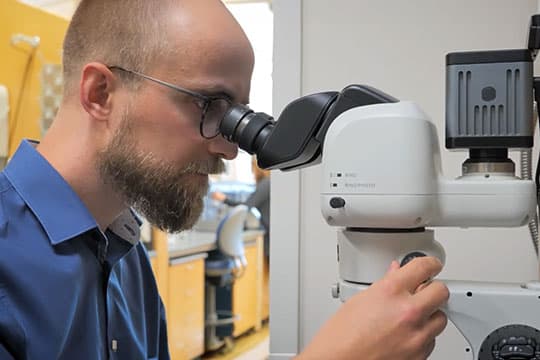

"Every blood cell's future is written in gene regulation. Our program maps the molecular switches that control these decisions and traces what breaks to cause disease. At VBRI, we're revealing how cells read their genetic instructions. This precision creates opportunities for better treatments with fewer side effects for patients with leukemia, immune deficiency, and blood disorders."
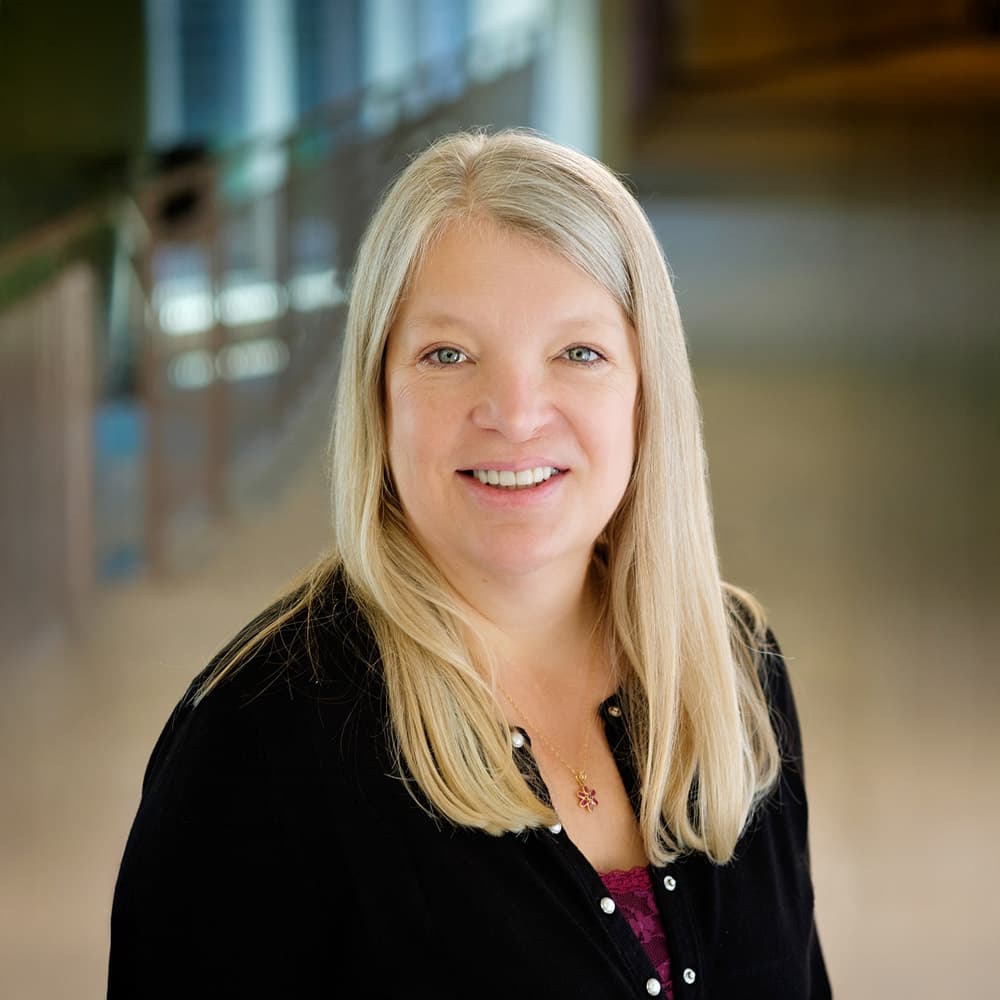
Bonnie N. Dittel, PhD
Autoimmune diseases happen when our immune system attacks healthy tissue. We study the cells and signals that restore balance in multiple sclerosis, inflammatory bowel disease, and severe skin conditions. Our work on the microbiome and regulatory immune cells shows how to quell inflammation before it damages what it should protect.
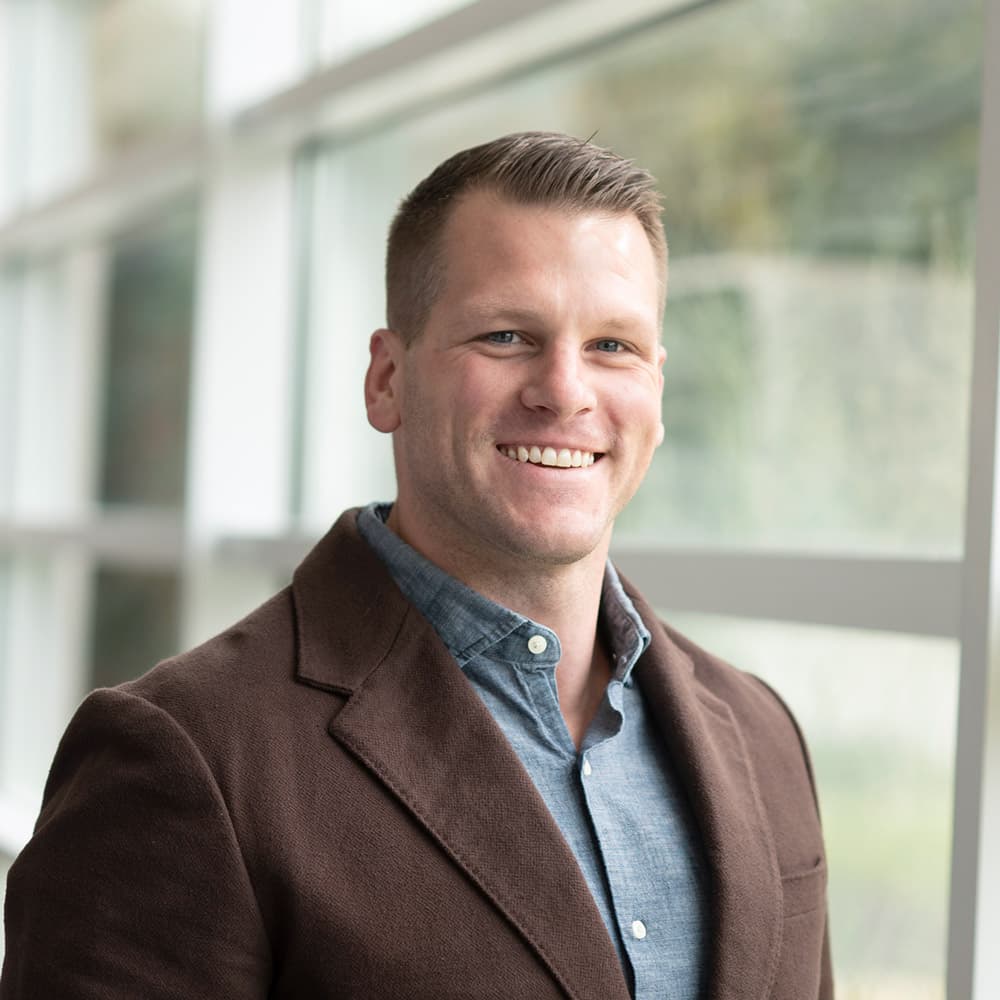
Phillip A. Doerfler, PhD
Gene therapy holds immense promise for inherited blood disorders. To ensure these treatments are both effective and safe, our lab studies how blood-forming stem cells turn genes on and off and how they repair DNA during genome editing. This work helps make emerging genetic therapies safer and brings curative treatments closer to patients who need them.
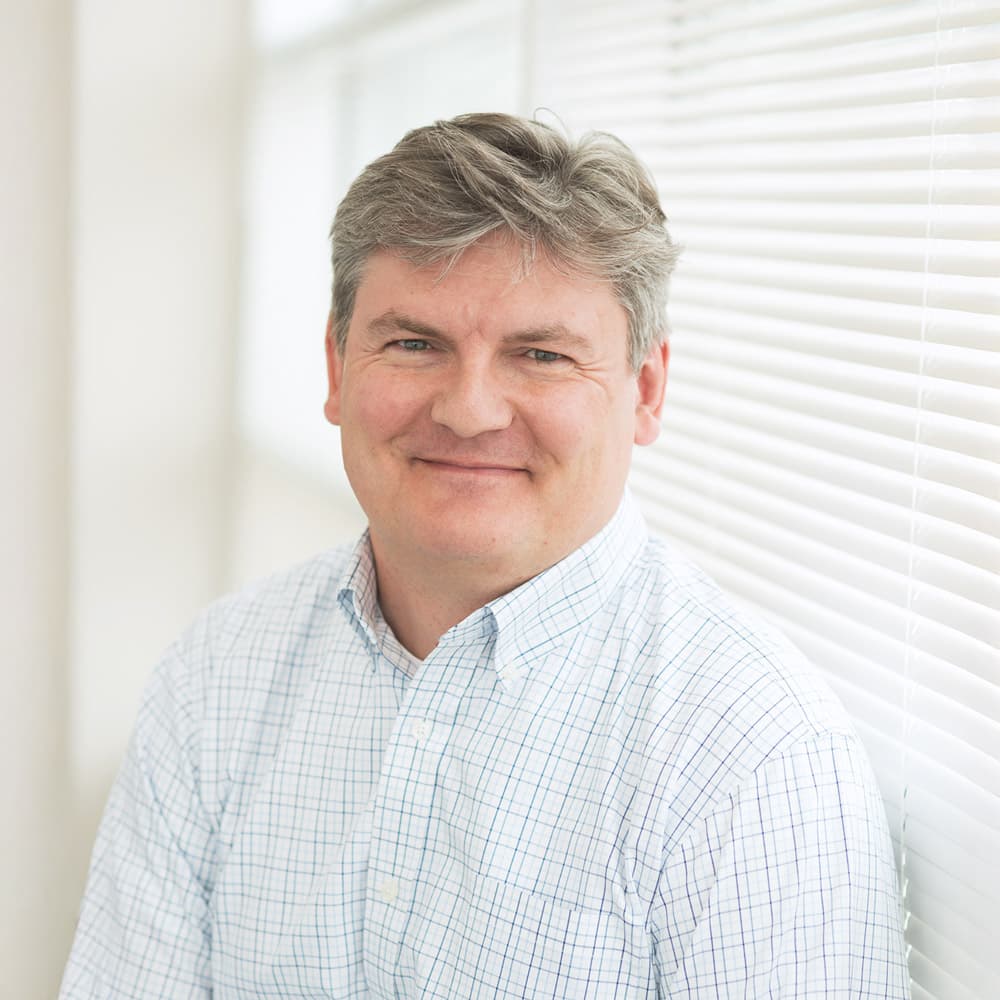
Hervé Falet, PhD
When platelet production or function breaks down, the risk of serious bleeding increases. We investigate the basic biological mechanisms that control how platelets are made and how they work. Our goal is to better understand how these processes are disrupted in bleeding disorders.
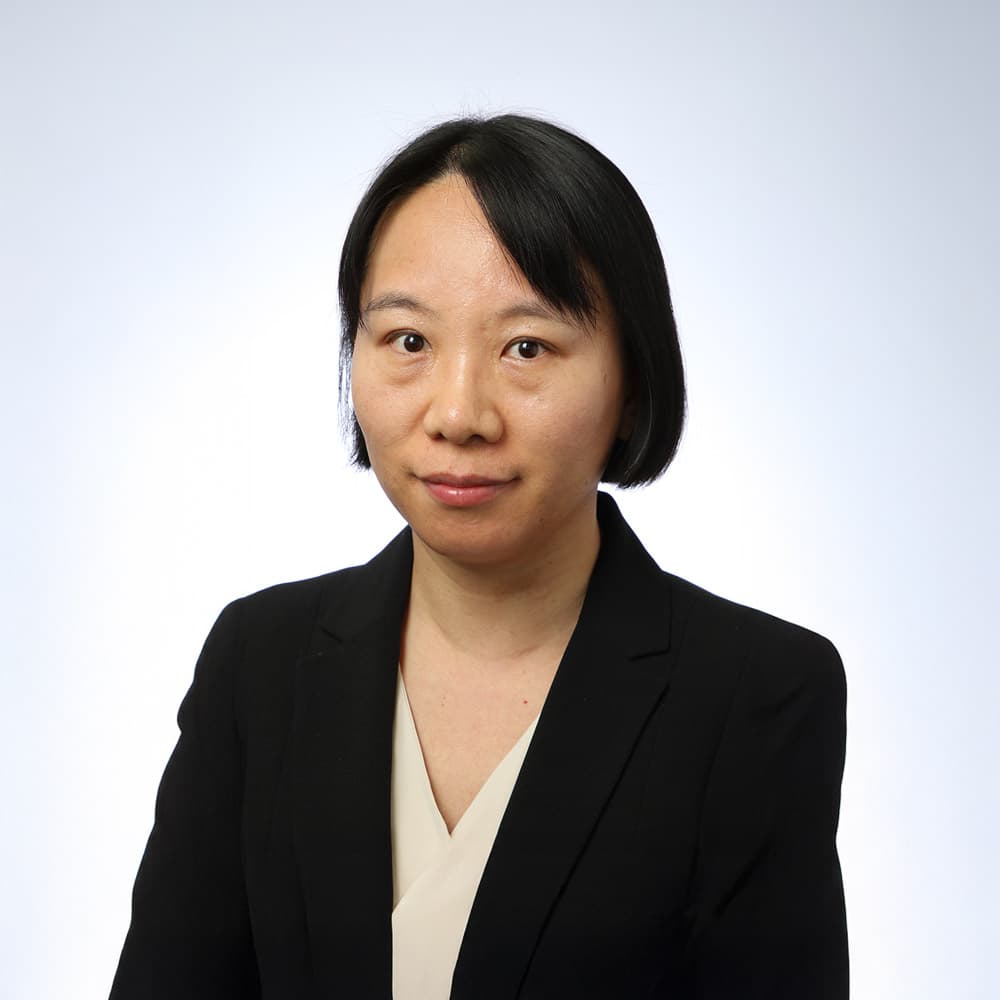
Tongjun Gu, PhD
Disease leaves traces in our DNA and RNA, gene activity, and cellular chemistry. We build artificial intelligence tools that integrate these signals to detect disease earlier and track treatment responses. Our computational approaches reveal patterns invisible to the human eye. This work accelerates diagnosis and prognosis and personalizes treatment, especially for cancer patients.
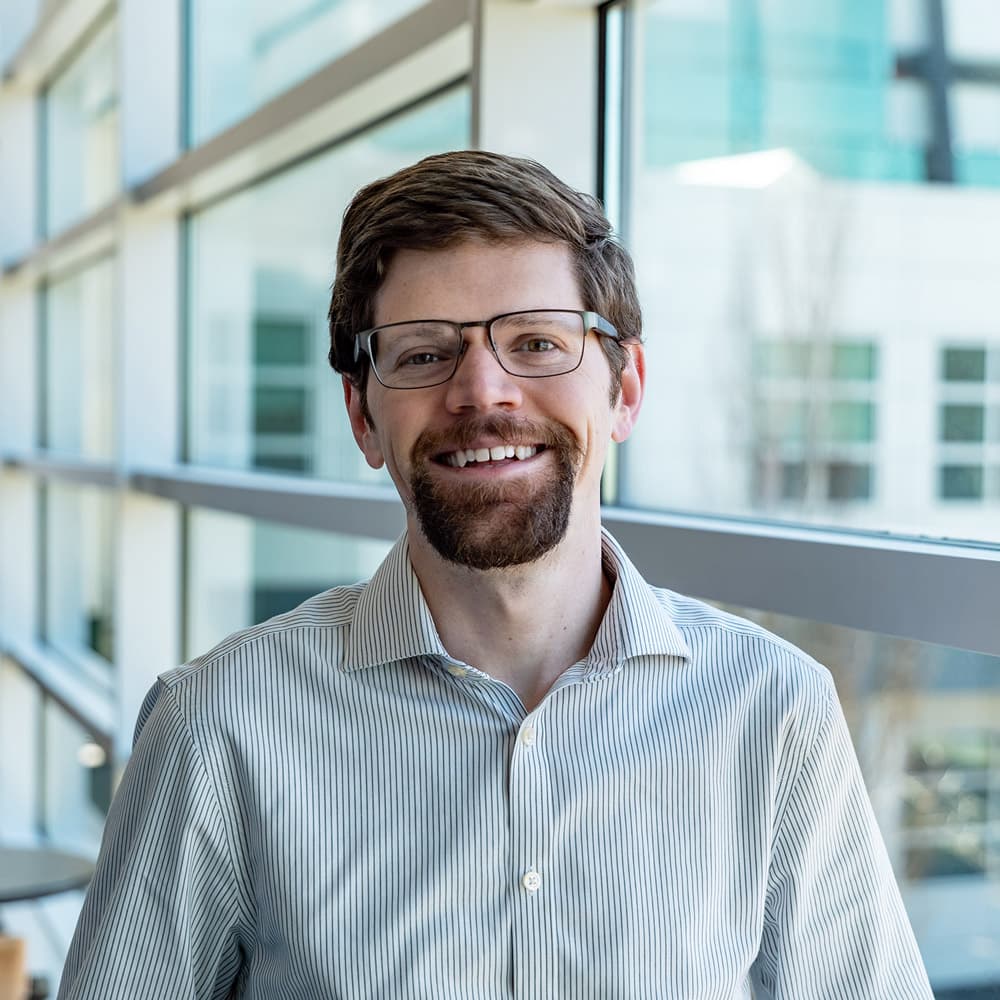
Nicholas Jarjour, PhD
Some immune cells never leave the organs they protect. They live their entire lives as guardians of their home tissues, like the skin, gut, or lung. We study tissue-resident immunity and how it maintains health across our lifespan. Our work reveals how local immunity adapts to injury and inflammation, knowledge that informs better treatments for tissue-specific diseases.

Subramaniam Malarkannan, PhD
Natural killer cells recognize cancer and destroy it. We study how these immune cells develop, remember threats, and multiply when needed. Our work identifies unique transcription factors involved in human NK cell development and functions, which is the current focus of our team. Combining genomic data with clinical outcomes helps us build immune treatments that work for more people.
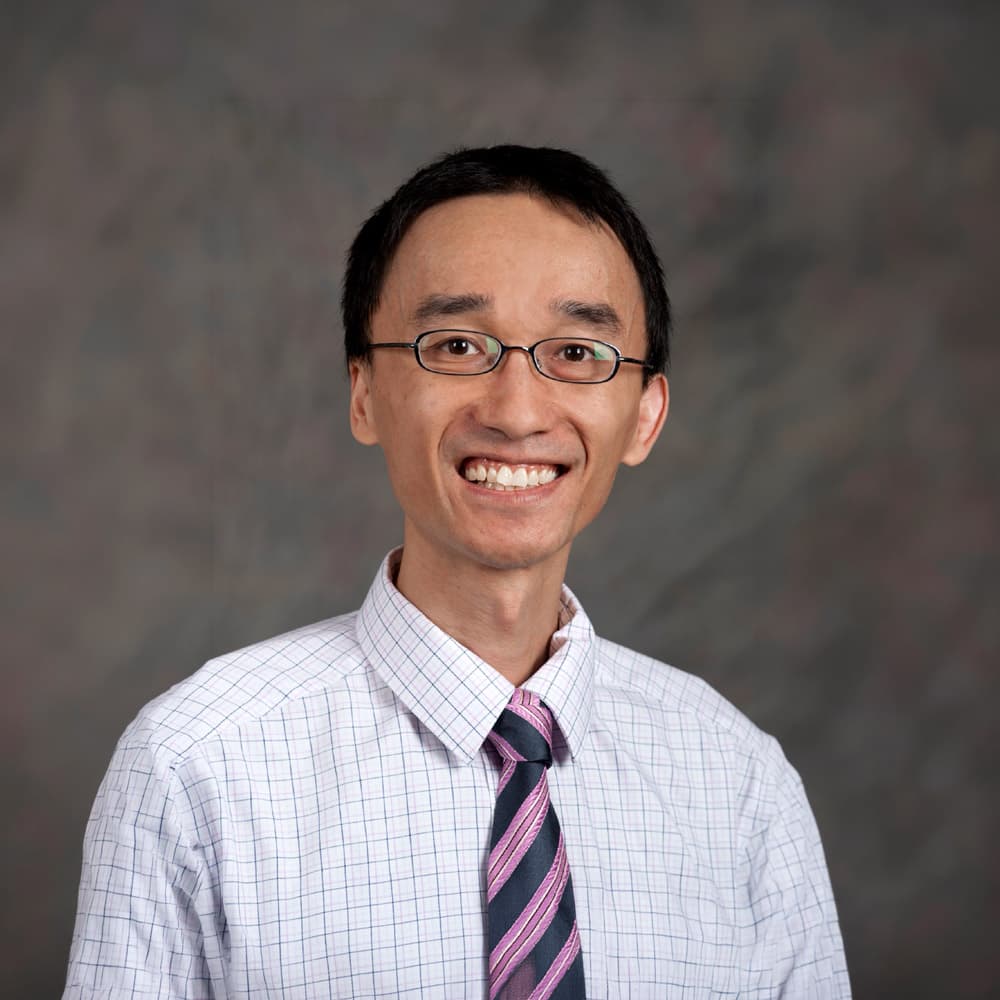
Gregory Poon, PhD
Transcription factors help control how blood cells grow, mature and respond to disease. We study how these powerful regulators interact with DNA and how their function can be disrupted or restored. Our work uses protein-DNA biophysics to develop new drug discovery strategies, measure cellular stress in new ways and uncover the molecular causes of transcriptional disorders, with the goal of advancing therapies for blood cancers, immune disorders and inflammatory disease.
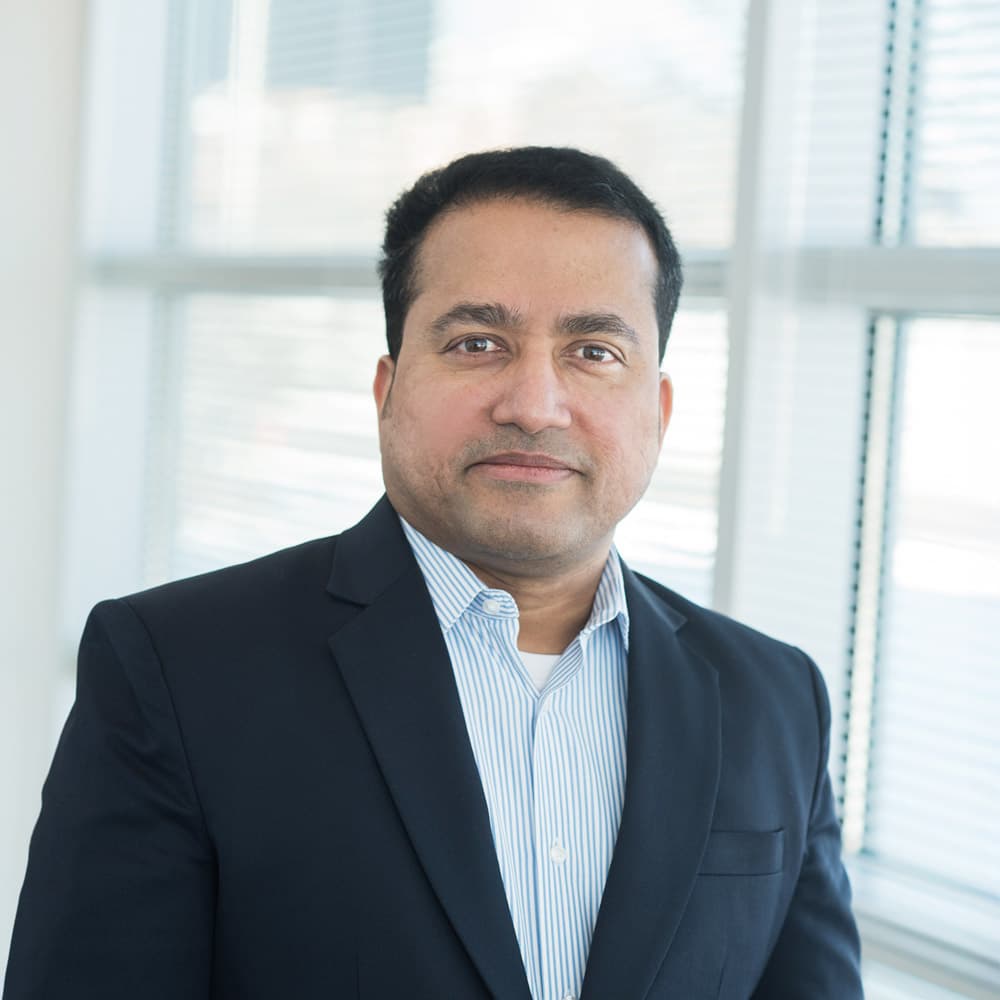
John A. Pulikkan, PhD
Leukemia hijacks the switches that control blood cell development. We map how gene regulation goes wrong when cancer rewrites the genome's instruction manual. Our studies in patient samples and experimental models uncover disease mechanisms and identify therapies that target the drivers of leukemia.
Sridhar Rao, MD, PhD
Stretches of DNA that don't code for proteins still control whether cells become healthy blood or deadly leukemia. We study these molecular switches and how they regulate genes in blood stem cells. Understanding what flips these switches in disease helps us develop precise therapies with fewer side effects.
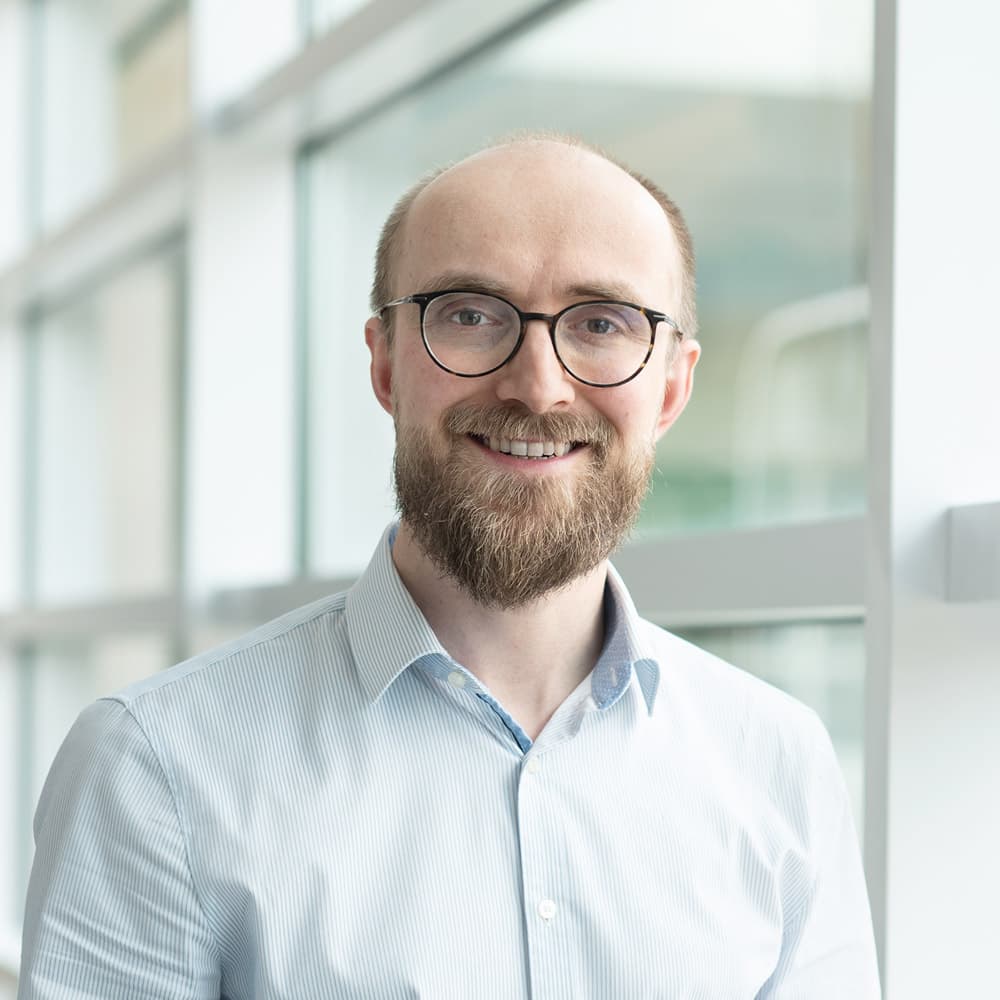
Wade W. Sugden, PhD
We observe the formation of blood stem cells in real time via live imaging in zebrafish. Our work reveals how mechanical forces and genetic programs collaborate to build the blood system. These discoveries inform how we might generate blood stem cells for transplantation.
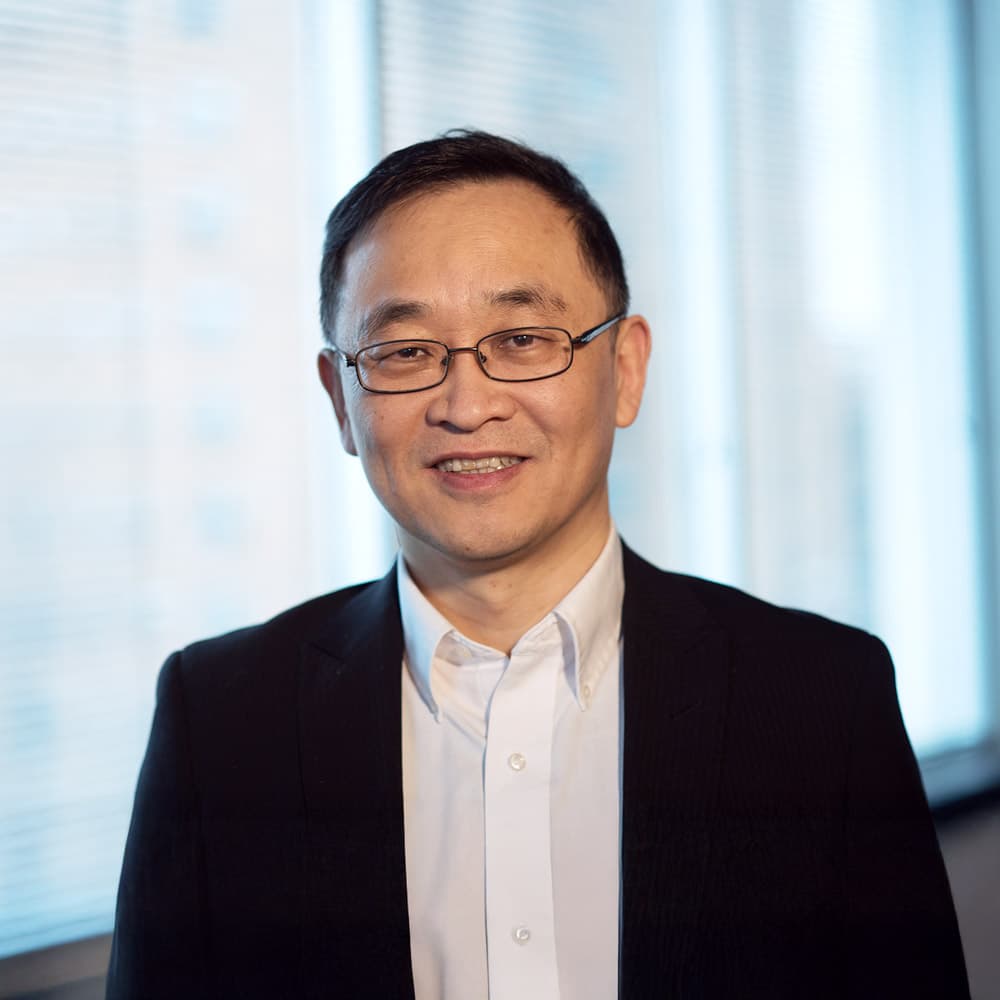
Demin Wang, PhD
B cells defend us from infection. When their development goes wrong, leukemia or autoimmunity often follows. We trace the signals and gene switches that guide B cells from birth to maturity. Our work explains how these pathways are disrupted in childhood leukemia and fail in autoimmune disease, knowledge that shapes new treatments.
Renren Wen, PhD
Immune cells communicate through intricate signal pathways. We study how B cells and T cells communicate and what happens when signals misfire in immune deficiency or autoimmunity. We also investigate surprising connections between immunity and clotting, including antibody-driven complications in COVID-19 and heparin treatment with the goal of advancing more precise diagnosis and therapy.
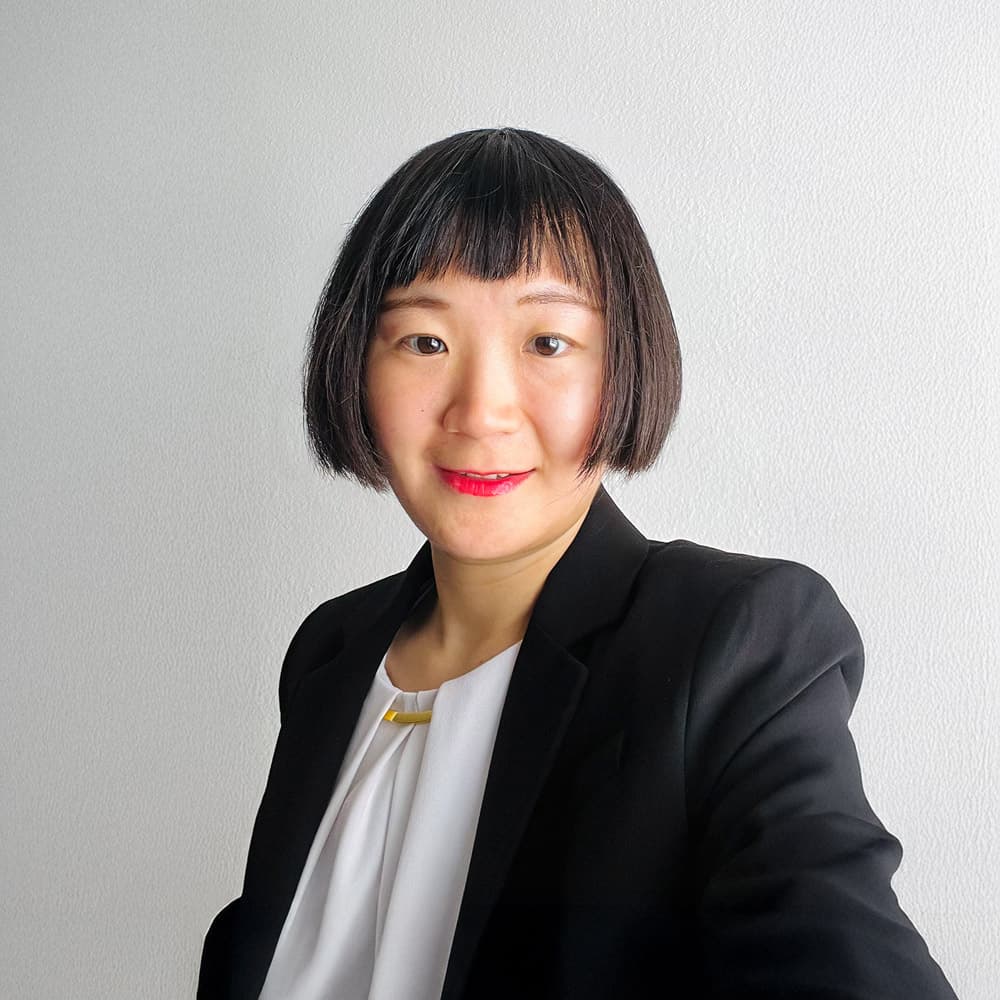
Hongxu Xian, PhD
Mitochondria are the energy powerhouses of our cells. When damaged, they release danger signals that alert the immune system. We study how this cellular stress drives inflammation, linked to autoimmune, neurodegenerative diseases and cancer. Our goal is to develop treatments that prevent harmful immune overreactions.