Transfusion Medicine, Vascular Biology
& Cellular Therapy
"Our program sits at the frontier where basic biology becomes medical innovation. We're engineering next-generation blood products, designing cellular therapies that don't exist yet, and unraveling how vessels and platelets maintain health and respond to disease. From RNA-based clotting factors to groundbreaking platelet technology, our investigators are building the future of blood medicine. This is discovery work that reaches patients."
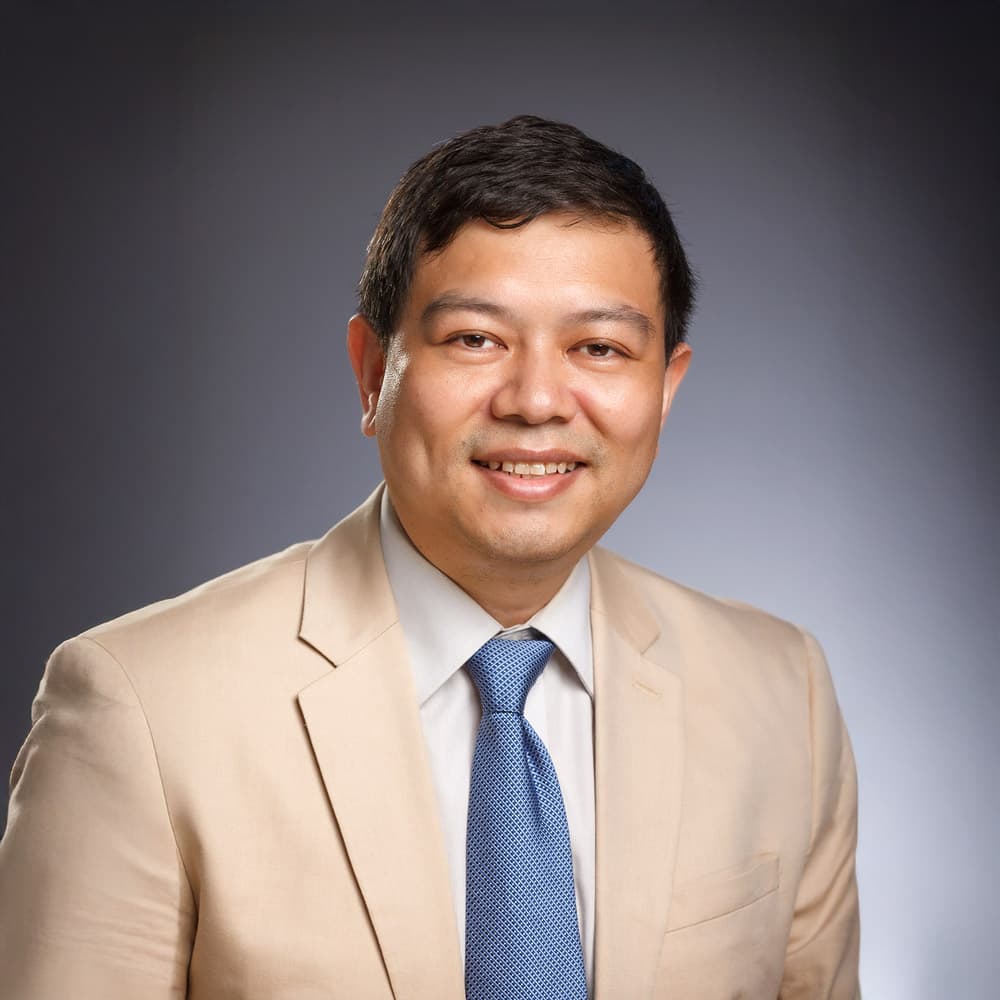
Yiliang Chen, PhD
Heart disease starts with inflammation that turns our own immune cells against us. We're tracing how macrophages build the plaques that block arteries and cause heart attacks. Every molecular signal we map brings us closer to stopping cardiovascular disease before it starts.
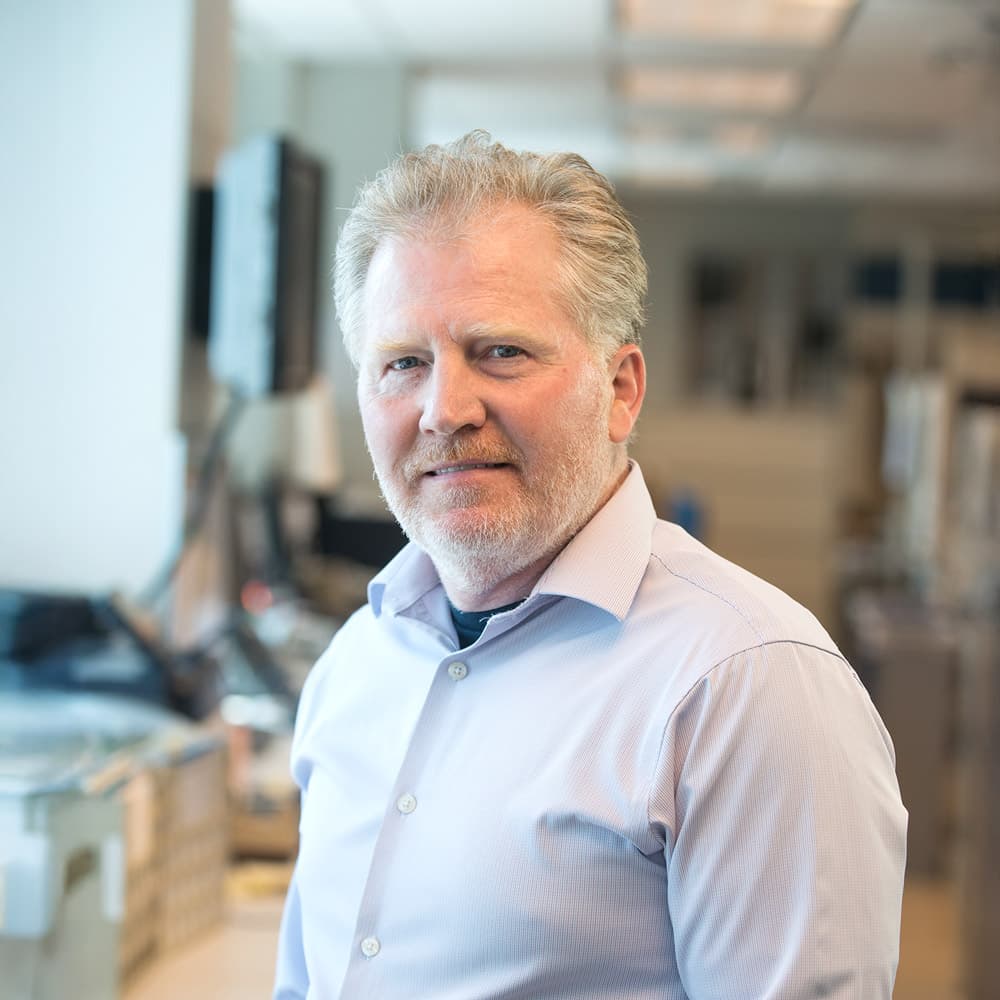
Brian Curtis, PhD, D(ABMLI), MT(ASCP) SBB
A safe blood transfusion or future pregnancy can depend on detecting antibodies that threaten patients. We detect immune responses against platelets and white blood cells that others might miss. Our diagnostic advances protect patients and make blood safer.
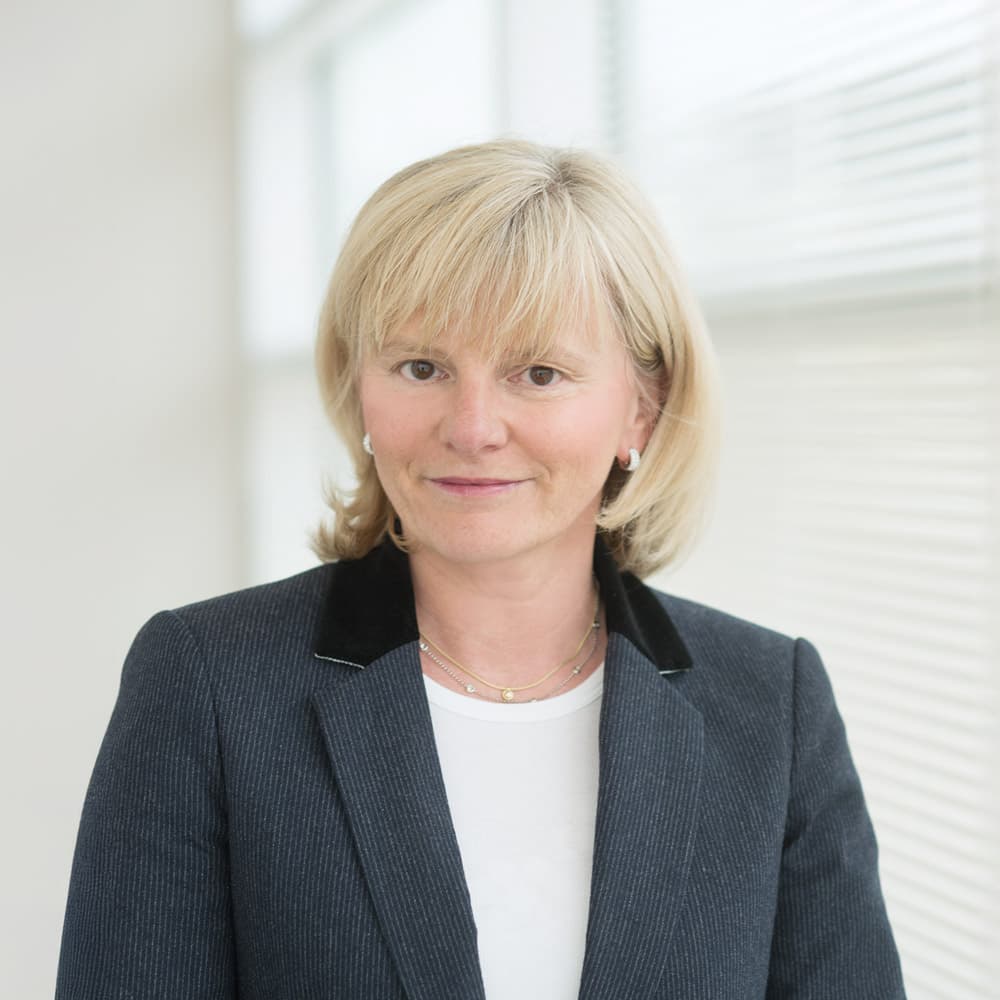
Karin Hoffmeister, MD
Cell-surface sugars (glycans) on hematopoietic cells are fundamental regulators of blood cell development and immune recognition. They influence blood cell production, platelet lifespan, and compatibility in transfusion and transplantation. We systematically map these glycan signatures to understand how the immune system distinguishes self from non-self at the molecular level. By integrating glycobiology with translational hematology, we develop precision-based strategies to advance therapies for patients with blood disorders.
Christian Kastrup, PhD
Hemorrhage kills in minutes. Unwanted clots kill over months. I engineer solutions for both, designing RNA therapies, genetically modified platelets, and biomaterials that strengthen clots when bleeding threatens life. This technology answers urgent needs in trauma, surgery, childbirth, and rare bleeding disorders.
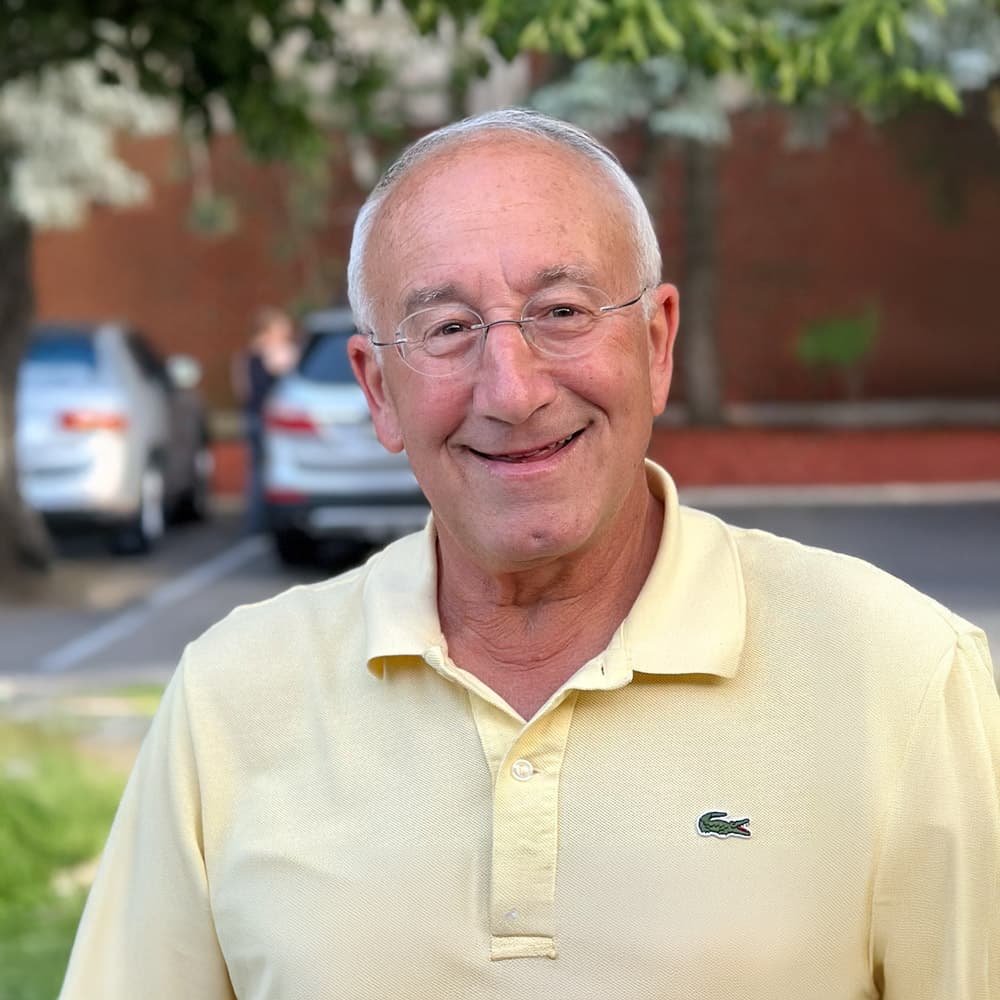
Peter J. Newman, PhD
A mother's immune system can attack her baby's platelets before birth. We study how these disorders work and design therapies to stop them. Our work identifies the precise structural triggers of these attacks and develops treatments that silence the immune cells responsible, protecting mothers and babies.
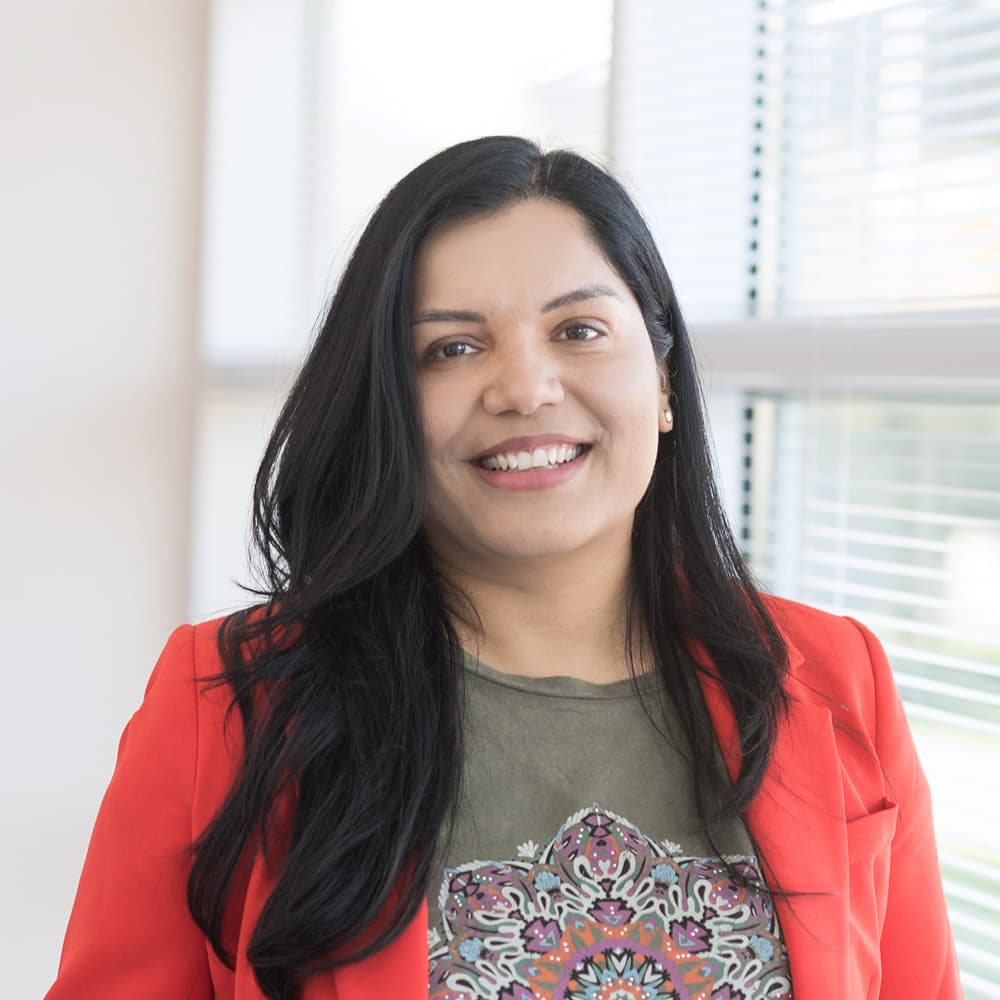
Tirthadipa Pradhan-Sundd, PhD
Sickle cell disease destroys red blood cells (RBCs), and these sickled RBCs damages the organs they pass through. We investigate how this destruction injures different organs and what can be done at the molecular level to rescue the organ damage. We also study how damaged liver vessels interact with revolutionary gene therapies for hemophilia. Connecting these diseases through shared mechanisms opens new paths to healing.
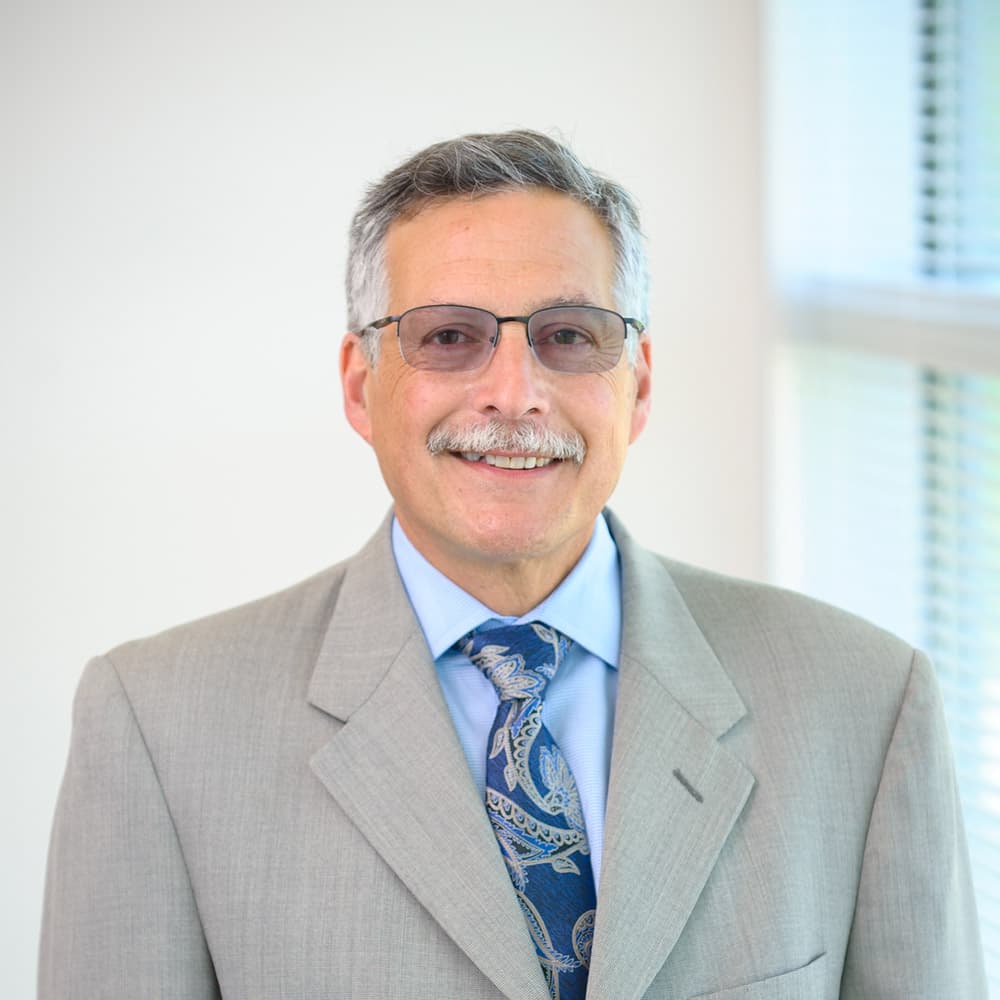
Roy L. Silverstein, MD
Chronic inflammation rewires immune cells to cause heart attacks and strokes. We study CD36, a receptor that turns platelets and macrophages dangerous when stress persists. Our discoveries reveal how metabolism and immunity intersect in heart disease and point toward therapies that interrupt this deadly cycle.