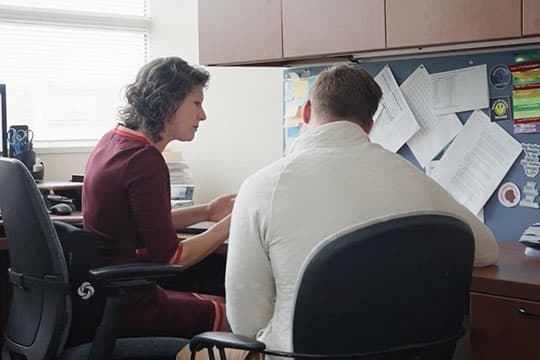
Translational research bridges the gap between laboratory discovery and clinical impact, transforming what we know into how we care.
The Translational Hematology program creates a dedicated home for clinician-scientists who live in both worlds by conducting research that emerges from patient encounters and applying discoveries that improve patient outcomes. These physician-investigators understand which questions matter most because they see patients who need answers.
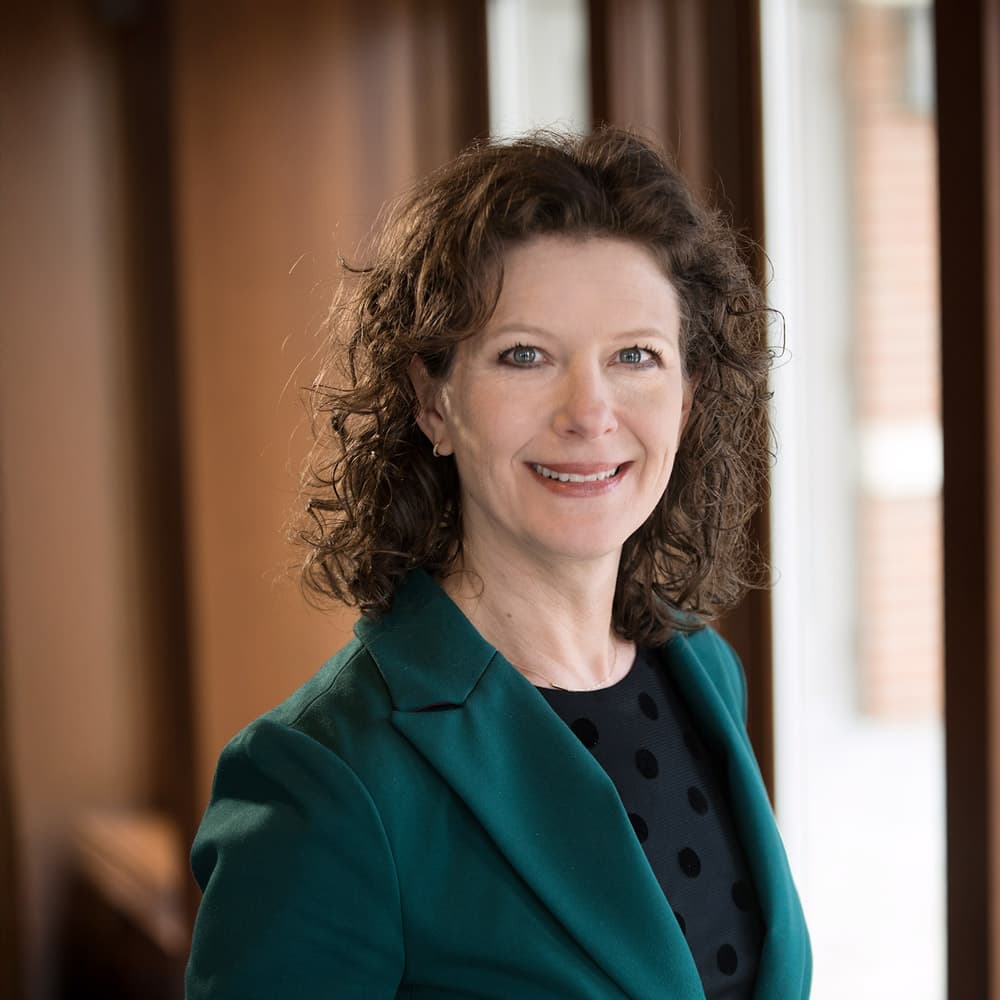
"Translational research lives in two worlds. Our clinician-scientists see patients facing thrombosis, bleeding disorders, and blood diseases. Then we design the studies that find answers. Through national trials like VENUS and REDS, we refine treatment protocols for high-risk situations, evaluate new diagnostics, and shape clinical guidelines. This is research that emerges from patient encounters and returns as better care."
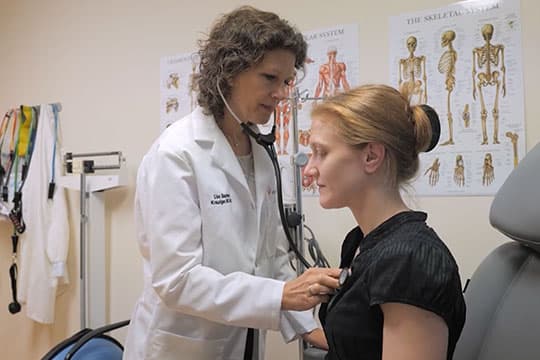
Our translational research spans the full spectrum of blood disorders. We conduct epidemiological studies that reveal disease patterns and risk factors, evaluate diagnostic innovations and treatment protocols, and design clinical trials that test new therapeutic approaches.
Through the Venous ThromboEmbolism Network US (VENUS), we lead multicenter trials addressing deep vein thrombosis and pulmonary embolism. These studies refine treatment strategies for high-risk situations, including anticoagulation protocols for pregnant patients.
As co-leaders of the Recipient Epidemiology and Donor Evaluation Study (REDS-IV-P), we contribute to a national effort improving blood transfusion safety and effectiveness. Our researchers investigate transfusion practices, analyze outcomes, and identify opportunities to enhance care for patients who depend on blood products.
Collaboration amplifies impact. The program strengthens connections throughout the Milwaukee Regional Medical Center, integrating resources and expertise from Froedtert Hospital, Children's Wisconsin, and the Medical College of Wisconsin. Working together, we achieve outcomes that no single institution could accomplish alone.
Blood clots strike without warning and steal futures we thought were secure. We study what triggers dangerous clots and how to stop them before they cause harm. Our patient-centered research shapes national treatment guidelines and brings evidence into everyday care.
Transfusion medicine advances when clinical practice, regulatory science, and translational research work together. We investigate the best ways to collect, process, test, and use blood products to improve patient outcomes and blood safety. This research also identifies innovative ways to manufacture blood products for patients with blood disorders, cancers, and more. Our work connects the discoveries in our labs with the care we provide at the bedside to improve the lives of people who depend on blood transfusions.